-
Bezlio Test Blog Post 3

That foresee the pain and trouble fail in their duty through. Duis aute irure dolor in reprehenderit in voluptate velit esse cillum dolore eu fugiat nulla pariatur. Excepteur sint occaecat cupidatat non proident, sunt in culpa qui officia deserunt mollit anim id est laborum. Sed ut perspiciatis unde omnis iste natus error sit voluptatem accusantium doloremque laudantium, totam rem aperiam, eaque ipsa quae ab illo inventore veritatis et quasi architecto beatae vitae dicta sunt explicabo. Nemo enim ipsam voluptatem quia voluptas sit aspernatur aut odit aut fugit, sed quia consequuntur magni dolores eos qui ratione voluptatem sequi nesciunt. Neque porro quisquam est, qui dolorem ipsum quia dolor sit amet, consectetur, adipisci velit, sed quia non numquam eius modi tempora incidunt ut labore et dolore magnam aliquam quaerat voluptatem.
Follow these steps to get there
It is a long established fact that a reader will be distracted by the readable content of a page when looking at its layout. The point of using Lorem Ipsum is that it has a more-or-less normal distribution of letters, as opposed to using ‘Content here, content here’, making it look like readable English. Many desktop publishing packages and web page editors now use Lorem Ipsum as their default model text, and a search for ‘lorem ipsum’ will uncover many web sites still in their infancy. Various versions have evolved over the years, sometimes by accident, sometimes on purpose (injected humour and the like).
How to a nonprofit like Beckham
Lorem ipsum dolor sit amet, consectetur elit, sed do eiusmod tempor incididunt ut labore et dolore magna aliqua. Ut enim ad minim veniam, quis nostrud exercitation ullamco laboris nisi ut aliquip ex ea commodo consequat. Duis aute irure dolor in reprehenderit in voluptate velit esse cillum dolore eu fugiat nulla Donate Now pariatur. Excepteur sint occaecat cupidatat non proident, sunt in culpa qui officia deserunt mollit anim id est laborum. Sed ut perspiciatis unde omnis iste natus error sit voluptatem accusantium doloremque laudantium, totam rem aperiam, eaque ipsa quae ab illo inventore veritatis et quasi architecto beatae vitae dicta sunt explicabo. Nemo enim ipsam voluptatem quia voluptas sit aspernatur aut odit aut fugit, sed quia consequuntur magni dolores eos qui ratione voluptatem sequi nesciunt. Neque porro quisquam est, qui dolorem ipsum quia dolor sit amet, consectetur, adipisci velit, sed quia non numquam eius modi tempora incidunt ut labore et dolore magnam aliquam quaerat voluptatem.
-
Bezlio Test Blog Post 4

That foresee the pain and trouble fail in their duty through. Duis aute irure dolor in reprehenderit in voluptate velit esse cillum dolore eu fugiat nulla pariatur. Excepteur sint occaecat cupidatat non proident, sunt in culpa qui officia deserunt mollit anim id est laborum. Sed ut perspiciatis unde omnis iste natus error sit voluptatem accusantium doloremque laudantium, totam rem aperiam, eaque ipsa quae ab illo inventore veritatis et quasi architecto beatae vitae dicta sunt explicabo. Nemo enim ipsam voluptatem quia voluptas sit aspernatur aut odit aut fugit, sed quia consequuntur magni dolores eos qui ratione voluptatem sequi nesciunt. Neque porro quisquam est, qui dolorem ipsum quia dolor sit amet, consectetur, adipisci velit, sed quia non numquam eius modi tempora incidunt ut labore et dolore magnam aliquam quaerat voluptatem.
Follow these steps to get there
It is a long established fact that a reader will be distracted by the readable content of a page when looking at its layout. The point of using Lorem Ipsum is that it has a more-or-less normal distribution of letters, as opposed to using ‘Content here, content here’, making it look like readable English. Many desktop publishing packages and web page editors now use Lorem Ipsum as their default model text, and a search for ‘lorem ipsum’ will uncover many web sites still in their infancy. Various versions have evolved over the years, sometimes by accident, sometimes on purpose (injected humour and the like).
How to a nonprofit like Beckham
Lorem ipsum dolor sit amet, consectetur elit, sed do eiusmod tempor incididunt ut labore et dolore magna aliqua. Ut enim ad minim veniam, quis nostrud exercitation ullamco laboris nisi ut aliquip ex ea commodo consequat. Duis aute irure dolor in reprehenderit in voluptate velit esse cillum dolore eu fugiat nulla Donate Now pariatur. Excepteur sint occaecat cupidatat non proident, sunt in culpa qui officia deserunt mollit anim id est laborum. Sed ut perspiciatis unde omnis iste natus error sit voluptatem accusantium doloremque laudantium, totam rem aperiam, eaque ipsa quae ab illo inventore veritatis et quasi architecto beatae vitae dicta sunt explicabo. Nemo enim ipsam voluptatem quia voluptas sit aspernatur aut odit aut fugit, sed quia consequuntur magni dolores eos qui ratione voluptatem sequi nesciunt. Neque porro quisquam est, qui dolorem ipsum quia dolor sit amet, consectetur, adipisci velit, sed quia non numquam eius modi tempora incidunt ut labore et dolore magnam aliquam quaerat voluptatem.
-
Bezlio Test Blog Post 5

That foresee the pain and trouble fail in their duty through. Duis aute irure dolor in reprehenderit in voluptate velit esse cillum dolore eu fugiat nulla pariatur. Excepteur sint occaecat cupidatat non proident, sunt in culpa qui officia deserunt mollit anim id est laborum. Sed ut perspiciatis unde omnis iste natus error sit voluptatem accusantium doloremque laudantium, totam rem aperiam, eaque ipsa quae ab illo inventore veritatis et quasi architecto beatae vitae dicta sunt explicabo. Nemo enim ipsam voluptatem quia voluptas sit aspernatur aut odit aut fugit, sed quia consequuntur magni dolores eos qui ratione voluptatem sequi nesciunt. Neque porro quisquam est, qui dolorem ipsum quia dolor sit amet, consectetur, adipisci velit, sed quia non numquam eius modi tempora incidunt ut labore et dolore magnam aliquam quaerat voluptatem.
Follow these steps to get there
It is a long established fact that a reader will be distracted by the readable content of a page when looking at its layout. The point of using Lorem Ipsum is that it has a more-or-less normal distribution of letters, as opposed to using ‘Content here, content here’, making it look like readable English. Many desktop publishing packages and web page editors now use Lorem Ipsum as their default model text, and a search for ‘lorem ipsum’ will uncover many web sites still in their infancy. Various versions have evolved over the years, sometimes by accident, sometimes on purpose (injected humour and the like).
How to a nonprofit like Beckham
Lorem ipsum dolor sit amet, consectetur elit, sed do eiusmod tempor incididunt ut labore et dolore magna aliqua. Ut enim ad minim veniam, quis nostrud exercitation ullamco laboris nisi ut aliquip ex ea commodo consequat. Duis aute irure dolor in reprehenderit in voluptate velit esse cillum dolore eu fugiat nulla Donate Now pariatur. Excepteur sint occaecat cupidatat non proident, sunt in culpa qui officia deserunt mollit anim id est laborum. Sed ut perspiciatis unde omnis iste natus error sit voluptatem accusantium doloremque laudantium, totam rem aperiam, eaque ipsa quae ab illo inventore veritatis et quasi architecto beatae vitae dicta sunt explicabo. Nemo enim ipsam voluptatem quia voluptas sit aspernatur aut odit aut fugit, sed quia consequuntur magni dolores eos qui ratione voluptatem sequi nesciunt. Neque porro quisquam est, qui dolorem ipsum quia dolor sit amet, consectetur, adipisci velit, sed quia non numquam eius modi tempora incidunt ut labore et dolore magnam aliquam quaerat voluptatem.
-
Inventory Management Made Easy With Mobile Technology

The use of smartphones and tablets in inventory management gained even more traction during the COVID-19 pandemic as processes and shared spaces saw tighter regulations. The reason for the increased use of mobile technology in inventory management though is not isolated to pandemic restrictions. Mobile technology has proven highly efficient for barcode scanning, stock replenishment, and order picking. With a faster entry rate, greater data accuracy, and increased ROI, mobile technology is making big waves across the massive inventory management space.
COMPANIES LIKE YOURS ARE USING MOBILE TECHNOLOGY TO IMPROVE BUSINESS OPERATIONS
-
Faster transaction entry: Mobile technology enables faster data capture for deliveries, purchase order receipt, and inventory tracking. The cycle count process is also improved with mobile technology. Cycle counts are notoriously reliant on manual processes that are time-consuming and laden with errors from keystroke mistakes to lost/unaccounted for paperwork. With mobile technology, the data collected is in real-time and the count is accurate.
-
Easier, more cost-effective training: Smartphones are more cost-effective than scanners and users are more familiar with smartphones and tablets, so their training is faster.
-
Increased productivity and better employee engagement: Faster data entry increases productivity and employees appreciate the investment in tools and technology to ease their processes. This investment in tools is attractive to most employees, so it boosts morale and productivity.
Bezlio is a platform that provides mobile apps to existing middle-market ERP systems, such as Epicor, to bridge both the mobility and integration gaps. Many companies rely on drop-in pre-built framework solutions for everything from material tracking to shipping solutions. App functionality refreshes your legacy backend systems and brings greater efficiencies as well. Optimizing your operations is essential to maximizing profits and utilizing mobile technology in inventory management is a quick way to boost profits and productivity.
COMPANIES THAT HAVE AN INVENTORY MANAGEMENT PROCESS HELPED BY MOBILE TECHNOLOGY HAVE SEEN GREATER PROFITABILITY
-
Field team support: Mobile technology gives field teams access to inventory data anywhere. When they are meeting with a customer and trying to define delivery expectations, they have access to real-time data that is more accurate than manually entered data because there are fewer errors. Field teams will be able to close deals off-site and ensure top-notch customer service and greater transparency. Accessing real-time data enables these remote teams to close deals offsite rather than the delay of going back to the office and relaying dated information.
-
Better Forecasting: Accurate inventory forecasting or demand planning is essential to maximizing profit. Many companies use historical data to identify trends and anomalies and then combine this information with upcoming events to estimate required inventory levels. Accurate forecasting is the only way to ensure there is enough product to fulfill customer orders without a lot of leftover inventory, which is costly. Mobile technology helps build more dynamic forecasting procedures that keep operating costs down while delivering a positive customer experience based on realistic timelines.
-
Improvement in Inventory Management capabilities = increase inventory accuracy: When you simplify cycle counts it results in more accurate forecasting, better inventory planning, and cost containment. Recording transactions like material movements, material to work orders, receiving purchase orders, and receiving finished goods into real-time inventory, your inventory is always up to date. Many companies enter these transactions later, which means their inventory is often incorrect. Using barcodes to record these transactions, speeds up the process and ensures better accuracy by removing keystroke errors.
ACCESSIBILITY BUILDS TRANSPARENCY
Advancements in mobile technology have made data accessible from anywhere and companies are taking advantage of this accessibility. The mobility that smartphones offer has made in-house inventory management processes more efficient and accurate. Mobile technology improves a company’s warehouse operations well beyond faster data entry and improved tracking. It has changed the way remote sales teams work, improved warehouse efficiency, and provides workers with an easy-to-use tool for more effective processes. Mobile technology improves a company’s supply chain visibility offering up-to-date information on inventory and details of inbound or outbound orders.
Contact us to learn more about how mobile technology solutions can impact your inventory management processes.
-
-
5 Reasons To Add Mobile Inventory Tracking Now

We are surrounded by data.
We track our daily screentime, work on our ranking in our Peloton classes, and monitor the comings and goings of friends all from our mobile phones. Organizations too are leveraging the power of real-time data, opting for mobile ERP data solutions that deliver better customer service, help pinpoint shipping lead times, and reduce operating costs. Next-generation, accurate inventory management solutions are delivering real value to organizations because they are accessible 24 hours a day, easy to use, and since they are based on real-time data they’re accurate.
Here are five reasons to look into mobile ERP solutions:
#1 CUSTOMER SERVICE MATTERS
In today’s crowded business landscape, customers choose which companies they want to work with and they make this important choice based largely on customer service. They consider how well their needs are met, how accurate the information they are given is, and how often are deadlines met. These factors impact not only current dealings but the longevity of the relationship.
Customer service is not only a factor in the decision-making process, it also impacts future business and other business dealings. Transparency builds trust and manufacturing transparency begins with inventory tracking and management.
Imagine what you could accomplish if you could access inventory data from your mobile device. This new way of managing ERP data allows sales reps to tap into the inventory planning system while working at a customer’s site. Planning manufacturing and visualizing delivery timelines, in real-time with precision builds trust through transparency. Implementing a mobile development platform, like Bezlio, adds mobile capabilities to mid-sized manufacturing companies. Bezlio adds warehouse management capabilities which also increases a customer’s inventory accuracy.
#2 THE SUPPLY CHAIN IS REBOUNDING AND DELAYS NEED TO BE ADDRESSED SOONER RATHER THAN LATER
COVID-19 brought the shortcomings of our supply chain to light. As the world went on lockdown to slow the spread of the virus, many items were in short supply. Masks, disposable gowns, gloves, and other personal protective gear were needed for frontline workers. Managing inventory and manufacturing to meet demand was just one of the factors that led to scarce supplies. In the short term company leaders rallied, amped-up production, and sourced needed items. But the lessons of the pandemic continue to impact the way we work in both the short and long term. Estimating inventory value includes spare parts and after-sales stock, all of which are challenging to manage without an easily accessible data management app. These factors are also vitally important for your customer’s success.

Optimizing production is something that manufacturers can control, whereas estimating buying behavior is something that one can only speculate about. Optimizing production and staying fluid enough to pivot from process to process as needed is fundamentally important for inventory management. Accessible ERP data allows manufacturing leaders to see accurate inventory levels and make data-driven decisions based on availability and real-time demand. Bezlio is a mobile app that provides mobile teams with custom screens and dashboards that provide access to ERP data in real-time on any device, so all team members can access the data they need when their customers need it.
#3 LOWERING OPERATING COSTS IS THE KEY TO STREAMLINED PROCESSES
Budget tight economies, like we’re experiencing today, depend on technology to save time and money. Data and access to this data are key to streamlining functions and setting timelines that can be met. Accessible real-time data is the cornerstone of developing transparent timelines that you can meet.
More than software, next-generation ERP management apps offer inventory management tools and actionable insights that can be accessed anywhere. The ease of use, combined with constant accessibility provides employees with the ability to plan their deals, organize deliveries, and meet customer demand instantly. This also lowers operating costs as manufacturing is optimized based on inventory and demand. Simplifying the cycle count process, making it easier for employees to find inventory, and by recording inventory transactions (like material movements, issuing material to work orders, receiving purchase orders, and receiving finished goods into inventory) in real-time versus after the fact keeps operating costs down and customer satisfaction up.
#4 FORECASTING WITH PRECISION SAVES TIME
Forecasting without precision is costly and time-consuming. Building out realistic deadlines for items that are needed makes sense for everyone involved in a transaction. Inventory forecasting or demand planning uses historical data to identify trends and then is combined with upcoming events to estimate required inventory levels. Accurate forecasting is one way to ensure there is enough product to fulfill customer orders. It also ensures that neither too little nor too much is spent on inventory.
Forecasting with precision helps to keep operating costs down and builds a positive customer experience as items are delivered on time. Using accurate data for forecasting is essential and this data needs to fluctuate in real-time so when it is accessed it’s accurate.
With remote work becoming a new reality, accessing data outside of the office is also vital to keeping forecasting estimates up to date. More work is completed off-site than ever before as more of the workforce has moved to remote working locations.
#5 PRIORITIZING PROJECTS IS THE CORNERSTONE OF OPTIMIZED MANUFACTURING
When you can visualize what needs to happen next, based on accurate data, you can plan effectively and meet your quarterly goals. Optimizing production keeps costs down and project capacity levels in check on the workforce side and the materials side. Prioritized logistics capacity, estimating capacity, and accelerating it when needed, help build manufacturing facilities skilled for the future of work. This agile planning process takes into consideration supply chain issues, cash management, defect identification, and mature products. It is dependent though on data and visualizing all of these factors at once. Actionable insights and using data to implement real change are the crux of optimizing manufacturing processes.

Bezlio not only adds mobile capabilities to midsize manufacturing companies, but it also covers warehouse management capabilities to increase inventory accuracy. When you simplify cycle counts it results in more accurate forecasting, better inventory planning, and cost containment. Additionally, Bezlio records transactions like material movements, material to work orders, receiving purchase orders, and receiving finished goods into real-time inventory. Many companies enter these transactions later, which means their inventory is perpetually incorrect. Bezlio taps barcodes to record these transactions, which speeds up the process and ensures better accuracy by removing accidental keystrokes.Understanding production times is vital for scheduling jobs and estimating delivery timeframes for customers. Scheduling had long been a rather blunt instrument within manufacturing, as it was based on averages. Real-time data brings increased granularity, so initial schedules can be monitored and refined based on what’s actually happening on the floor. Knowing that a particular job will be completed early and staging another immediately means getting more product out the door.
As the world moves towards more automated processes and big data solutions, manufacturing continues to embrace the benefits of data collection, analytics, and automation. A McKinsey report examined manufacturing and the impact that analytics has on productivity and profitability and found benefits from data-driven predictive maintenance initiatives to asset analysis. Real-time data has revolutionized manufacturing processes from top to bottom.
Energy efficiency, less downtime, better quality control, and more precise inventory tracking are only a few of the benefits data and automation have brought to manufacturing. When access to this data is available to employees in remote locations, additional benefits are clear: easier pricing, improved delivery accuracy, and better project forecasting. One of the biggest challenges remote sales teams face is following up on quotes for potential customers. Mobile ERP solutions help teams establish a system of reporting to track initial contact, follow-up, and results. Since these solutions are accessible in remote locations, they allow employees the ability to update this information at any time from their mobile devices. This added accessibility gives a better understanding of customer buying behavior so they can better strategize to meet their sales goals.
Bezlio collects data via two-way integration and adds drop-in solutions, this allows for increased speed and accuracy, as users in the office put plans into motion, rather than waiting for the remote sales representatives to call or email with updates.
Cycle counts are another area in manufacturing that stand to benefit greatly from real-time data and automation. The cycle count process relies on manual processes that leave room for a lot of errors. Employees can easily attribute counts to wrong products and paperwork piles up until someone enters the data into the computer system – which also leaves room for keystroke mistakes as well as the data entry process being time-consuming. Additionally, the data collected is in near real-time rather than real-time. The count becomes approximate, not accurate and that’s where complications begin.
Bezlio users open the cycle count bezl from a phone or tablet, click “new count” or a “recount” and then enter the count ID corresponding to the one set up in Epicor. Or better yet, if you barcode, employees can just scan the code to begin – much less room for error, much faster, and your data is captured in real-time.
Next, employees scan the product ID from the barcode displayed on the rack system, shelving or other location. Then it’s a simple matter of counting the items and entering the result in the app. When all lines in the count have been scanned, hitting “submit” pushes the information to the Epicor system automatically, no manual keying into the ERP required. Not only does that process involve fewer steps, but most of them deliver significant efficiency improvements, like barcode scanning. Each step takes less time than it does when working with paper and the results are more accurate. win-win.
Choosing the right inventory management system
With many choices available on the market how do you select the right inventory management system for you? The best way to begin the selection process is to set your goals. Determine what you need the system to automate, how many users will be utilizing the features, and what are the main business challenges you’re looking to solve. Once you’ve identified your business and functional requirements, you can target inventory management systems that meet your needs. Work with your system provider to completely understand the implementation process, what support is included, and how often features and services are upgraded. Choosing the right provider can be as important as choosing the right system. Providers are the people you need when systems are being implemented and issues arise.
One common issue that can slow down inventory management system integration is the data entry process. Your inventory management system is only as accurate as the data you enter. In other words, this is a good time to check inventory handling, storing, and logging processes. If you identify issues now, you can correct them so when your new system is adopted it happens alongside your new processes that count and store inventory accurately. Resolving problems before you set up a new management system works far better than reacting to inaccuracies as they are identified.
Using technology and data to your advantage doesn’t have to be a challenging process. Many data management providers offer customized solutions to address your specific challenges and needs. Bezlio offers a library of helpful videos under the Resources tab on their website.
The exact value of the efficiency gains you’ll see when switching from manual processes to technology-assisted processes will vary by organization, the complexity of the count, the use of barcoding and other factors all impact the benefits you’ll see. The reduction in manual labor is generally significant and the time saved from things like cycle counts that previously could have taken as long as several days.
Interested in implementing a mobile development platform like Bezlio to help better manage your inventory and transactions? Contact us today and we can begin customizing a mobile ERP solution to address your business challenges or see our website’s Resources tab for case studies and blogs about our products and services.
-
8 Ways Mobile ERP Data Optimizes Shop Floor Operations And Makes Customers Happier

Real-time manufacturing data transforms production efficiency and improves scheduling accuracy and communication
When a manufacturer invests in an ERP solution, they usually have high expectations. These systems are of great value in improving customer service, enabling better planning and decision-making, controlling costs, improving processes, and mitigating risk. To deliver these and other advantages, however, the ERP needs to be chock full of data, and many manufacturers find capturing information, especially from the shop floor, to be a real challenge.
Enter mobile ERP apps. These tools provide data access, capture, and updating features on a smartphone, tablet, or even smartwatch. That way, workers can log information throughout a shift. From tracking labor for a particular job to inputting counts of finished goods, employees armed with mobile ERP provide a detailed, real-time picture of what’s happening on the shop floor, and that makes all the difference. Here’s how:
#1 TODAY’S SNAPSHOT, NOT LAST WEEK’S
One of the most important aspects of mobile ERP data is speed. When manufacturers use manual tracking methods, there is a time gap between when information is recorded and when it is entered into the ERP. As a result, the data workers, managers, and executives rely on is always dated.
A partial fix is the ERP kiosk, but that approach, too, has problems. Employees must leave their stations to log information, which wastes time and can compromise accuracy. This limits the amount of data many manufacturers are willing to record from the shop floor.
Mobile ERP apps take the handcuffs off by making it quick and easy to monitor nearly any data point.
#2 IMPROVED COMMUNICATION
When more functions are taking place within a mobile ERP, employees at all levels can get the information they need with a few clicks. No more wandering the facility or calling different extensions to get basic questions answered.
Even access to up-to-the-minute finished goods counts can prevent someone in client service from descending to the shop floor and interrupting activity to find out when an order will be ready. That’s a boon for shop floor productivity and customer satisfaction.

#3 INCREASED PRODUCTIVITY
There are additional time savings delivered with intuitive mobile interfaces. Employees can get work orders on their phones, issue materials with a few clicks, report scrap, and so on. As manufacturers increasingly diversify their product mix, mobile ERP can keep up with labor monitoring, enabling employees to log in and out of various jobs and track different work throughout the day without significant burden. Each minute saved adds to overall productivity.
#4 BETTER DECISION-MAKING
The point of all this data, of course, is to improve and optimize operations. Senior leadership benefits from having the full picture within the ERP as decisions are made. There’s no more important focus for real-time visibility than the shop floor if you’re going to meet customer demand.
#5 ENHANCED SCHEDULE ACCURACY
Understanding production times is vital for scheduling jobs and estimating delivery timeframes for customers. Scheduling had long been a rather blunt instrument within manufacturing, as it was based on averages. Real-time data brings increased granularity, so initial schedules can be monitored and refined based on what’s actually happening on the floor. Knowing that a particular job will be completed early and staging another immediately means getting more product out the door.

#6 GREATER ADAPTABILITY
No matter how hard manufacturers work to optimize every step in a process and control every variable, there are endless surprises. Machines break and jobs need to be rescheduled. Materials arrive late. Customer orders change.
Real-time data alerts managers to these issues and enables rapid and effective adaptation to avoid bottlenecks and downtime. When real-time data feeds predictive technologies, manufacturers gain even more power to see the future and react in advance to likely materials shortages, equipment maintenance needs, or other issues.
#7 SHORTER CYCLE TIMES
Increasing cycle times requires reengineering some phases of production. But how? Real-time ERP data can help identify and quantify key constraints and target the most inefficient processes, so decision-makers can craft solutions. And when revised processes are put in place, the ERP data can help leaders track the results to ensure change truly drove down cycle times.
#8 FEEDING DATA TO THE RIGHT PEOPLE
Production managers need end-to-end visibility to do their cost analysis, material planning, and scheduling tasks. Quality inspectors enjoy real-time metrics from the shop floor so they can target the root causes of scrap and rework. Machine operators can benefit from equipment information to forecast potential issues and maintenance needs.
Whatever the job function, there’s almost always real-time data that can make it more effective. Mobile ERP collects that data and makes it accessible to the right people, right when they need it.
Mobile ERP data is a powerful tool for gaining greater control over the shop floor. By maximizing production efficiency, rooting out bottlenecks and quality issues, and better understanding cost and capacity, manufacturers can maximize productivity and exceed customer expectations.
But why stop at the shop floor? There are all kinds of ways to deliver better data to decision makers. And we can you help adapt such mobile ERP best practices to the specifics of your operations. Simply contact us.
-
10 Ways Mobile ERP Data Improves Material Handling Productivity & Efficiency

Capturing real-time manufacturing data using a mobile ERP app is the ticket to improvement and cost-savings
Manufacturers are on a grand quest for efficiency. Many companies have used real-time ERP data to identify savings opportunities on the manufacturing shop floor. External processes, such as logistics, are also commonly targeted to trim costs.
Material handling, by comparison, is a relative latecomer to the efficiency party. Today’s technologies finally make it possible to realize significant ROI on material handling improvements. Now manufacturers are rushing in to maximize productivity and compete in a global market.
The foundation of any material handling overhaul is visibility. The more complex the operation, the more important real-time information becomes.
Manufacturers need a view into all aspects of the material handling function, from the labor and equipment involved to the location of materials in the warehouse. Here are some of the benefits you may see if you grab hold of that information.
#1 PERFORMANCE TRACKING
Capturing real-time material handling data empowers an organization to track key performance indicators (KPIs) specific to employees and the department. Monitoring KPI trends can then guide management practices and improve senior-level decision-making. Real-time data can also enable manufacturers to calculate the material handling equivalent of OEE (overall equipment effectiveness) to determine the percentage of time that’s truly productive in the warehouse and make changes to increase those results.
#2 PICK LISTS
There is immense benefit in eliminating manual warehouse processes. Paper pick lists are a prime example. When employees are armed with an ERP app with barcode scanner integration, it’s easy to see how speed and productivity improves. Workers can more efficiently identify the required items and instantly mark the list, with no after-the-fact data entry required. All the data is immediately sent to the ERP system to guide process improvements in picking waves as well.

#3 ERROR REDUCTION
Doing work twice is always a productivity killer. Real-time data helps reduce human error. For instance, when a worker scans the wrong item—one that doesn’t match the pick list set up in the ERP—an automatic notification lets them know they’ve misread the order. That way, they can make the correction on the spot, rather than redoing the work later.
#4 PREDICTABILITY
Material handling is all about throughput. Manufacturers save time and money when they can “keep all the machines fed.” With better data comes improved predictability. Companies can track the rate at which materials are being used, determine when shortfalls might occur, and highlight when overproduction indicates a misallocation of resources. Analyzing this data over time drives optimization, from supply chain communications and order handling through final production.
#5 INTAKE TIME
There’s a lot of work involved in material intake. Deliveries need to be compared with the purchase order and discrepancies resolved. Additionally, details and coding required for internal operations must be added as materials are sorted and stored.
Many manufacturers have slashed minutes and even hours off their intake time by arming employees with mobile and automation technologies. With these tools, all the data regarding each shipment automatically feeds accounts payable, inventory management, and other systems.
#6 TRACKING
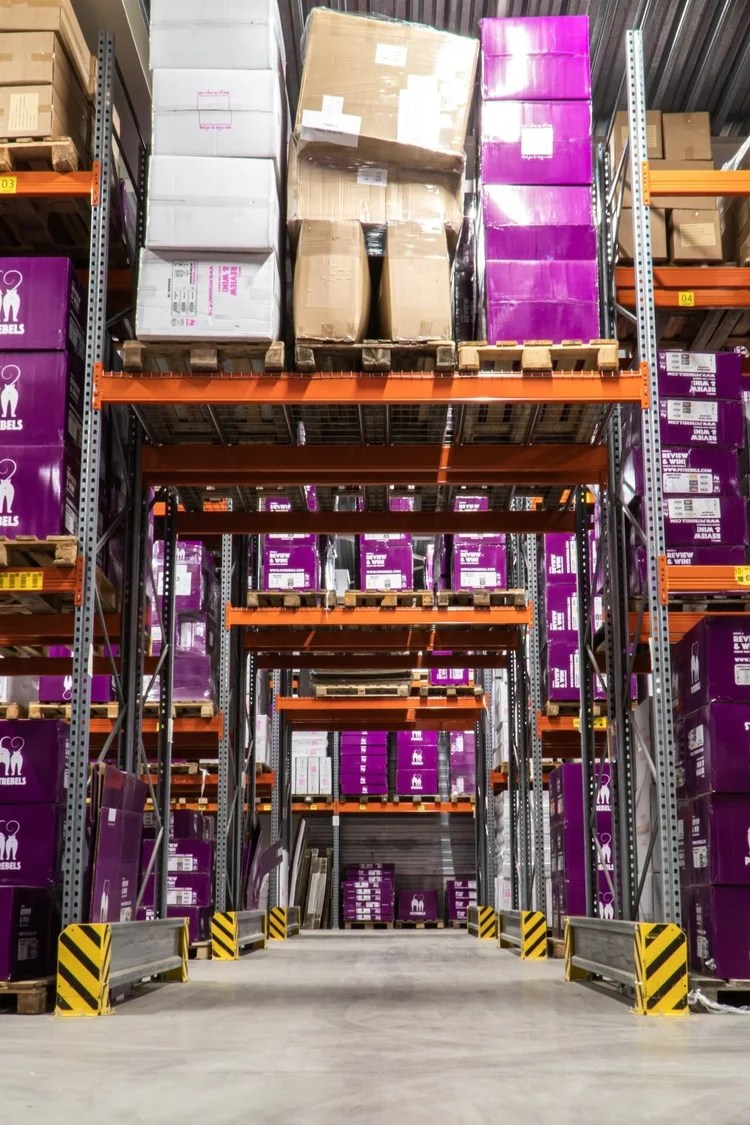
Materials don’t always stay put, so manufacturers need end-to-end materials tracking capabilities to trace items from intake to the warehouse and to each new location therein. Manufacturers can eliminate time wasted in hunting materials, as well as reduce capital investment to replace materials that are “lost” in storage, by gaining an accurate location picture. What’s more, the data can feed analysis of when and why materials are being relocated to minimize unnecessary moves.
#7 INVENTORY RIGHTSIZING
Inventory is the ultimate Goldilocks challenge. Have too much and you’re expending funds too early and paying good money to store, move, and track materials you don’t yet need. Have too little, however, and any supply chain hiccough threatens to shut down a production line. Real-time data helps decision-makers forecast ensure the volume of supplies on hand is just right.
#8 SHOP FLOOR REPLENISHMENT
Real-time data also smooths production materials replenishment. Managers can use this information to identify bottlenecks threatening to pause a line and devise the most efficient replenishment methodologies.
#9 EQUIPMENT MAINTENANCE
Predictive maintenance isn’t just for the shop floor. Warehouses also have equipment in need of upkeep. Something as simple as tracking forklift time can inform teams when to recharge batteries and perform other basic maintenance, which improves lifespan and reduces productivity-killing breakdowns.
#10 ALL TOGETHER NOW
The most powerful advantages to real-time ERP data come as part of a broad information capture and analysis approach. If purchasing data feeds directly into materials planning, for example, it can improve decisions in both areas.
By the same token, linking material information with quality rates can, with corresponding evaluation, reduce rejects caused by materials issues, such as underperforming suppliers. Building order data into the overall system can help manufacturers work backward to predict raw material needs.
Material handling lies at the center of manufacturing, between initial supply and final goods. It’s no wonder that focusing on the data related to this essential function promises great returns in efficiency and productivity.
If you’re ready to investigate the possibilities of using mobile ERP data for material handling optimization and operations-wide efficiency improvement, simply contact us. The tools required are more affordable and easier to implement than you may expect—it’s just another example of how information is power in manufacturing.
-
9 Ways Real-Time Data Is Revolutionizing Manufacturing

From big data analytics to mobile ERP systems integration, real-time data is driving manufacturing efficiency, employee engagement and profit
Some are calling it the 4th Industrial Revolution. Technology capabilities are finally catching up to the piles of data that can be—and in some cases, have been—collected about manufacturing operations by smart sensors, ERP software and other systems.
Innovative solutions are enabling manufacturers to access and analyze data in real-time to implement better strategies and streamline entire processes, from materials purchase through final goods shipment. The message to efficiency-focused manufacturing leaders is clear—capture the data, because it is valuable. Let us count (some of the) ways.
#1 MAINTENANCE

What if you could slash production downtime 30 to 50 percent and increase machine life 20 to 40 percent? The impacts on everything from scheduling to bottom-line profit would be significant, right?
Well, good news. A McKinsey report found these figures to be the outcomes from data-driven predictive maintenance initiatives. By monitoring a far wider variety of information about machines than ever before, manufacturers are identifying the root cause behind complex failure scenarios. This is enabling appropriate maintenance activity before issues can bring down production lines, as well as prompt response at the first signs of problems in the making.
Another benefit, scheduled maintenance—which eats up staff resources and consumables, whether the machines truly need attention or not—is becoming more granularly targeted and less costly.
#2 INVENTORY
Real-time data is also boosting inventory accuracy. There are gains to be had for single-location facilities when you know exactly what goods are on hand. And the advantages only increase as production is spread across multiple facilities, possibly around the world. Inventory turns are accelerating, overstock issues are being reduced and the amount of physical material stored by manufacturers is dropping.
#3 ENERGY EFFICIENCY
Manufacturing is energy-intensive. That’s not news. For both cost and climate reasons, manufacturers are under intense pressure to maximize production output per unit of energy input. Fortunately, real-time data analytics can identify sources of energy waste as they happen, as well as aid process improvements and equipment maintenance, retrofits and upgrades that can drive down energy consumption.
#4 WASTE REDUCTION
Another profit-booster that doubles as an eco-friendly overhaul is waste reduction. Real-time data can, for example, provide instant feedback when products coming off the line are not meeting quality standards, so the root cause can be determined and adjustments can be made without delay.
#5 QUALITY

Just as important as reducing waste, monitoring real-time data improves manufacturers’ ability to ensure consistent quality, reduce quality management costs and avoid production time loss. Figuring out which lines, facilities, processes and even individual machines are delivering quality products is easier than ever.
#6 SCHEDULE ACCURACY
A lot of factors affect production times, so manufacturers have long had to base schedules on averages and estimates. With real-time data, however, schedules can be updated on-the-fly to reflect the actualities on the shop floor, with positive effects on productivity and machinery utilization rates.
#7 PROCESS IMPROVEMENT
Manufacturers have squeezed significant efficiency out of Lean and Six Sigma techniques. Now real-time data is taking process engineering to a new level. Advanced technology systems are helping to find process improvement opportunities not caught by Kanban and other, more manual approaches. These small changes often deliver fractional benefits but they do add up.
#8 SUPPLY CHAIN
Supply chains have become increasingly complicated and manufacturers are striving to balance volume, cost, part interoperability, quality, delivery schedules and countless other factors. Fortunately, real-time data is enhancing transparency and supplier connection so manufacturers see and adapt to any issues, such as a truck breakdown that will delay materials. Moreover, advanced modeling can dynamically adjust the procurement mix to reduce costs, minimize capital tied up in inventory, keep materials arriving at pace and increase profit.
#9 SALES
Don’t think real-time data is just for the shop floor or production. Sales teams can also price customer requests with ease, submit proposals faster and win more business when they have up-to-the-minute information. Data-driven forecasting can also improve delivery estimates to avoid reputation-damaging hold-ups and secure more repeat orders.
Capturing the data
We’ve listed nine ways real-time data is transforming manufacturing—improving processes, slashing costs, widening profit margins and delivering faster ROI on equipment and other investments. But we could have easily compiled dozens of additional success stories.

Hopefully, the possibilities are as inspiring to you as they are to us, and might even increase the urgency with which you work to seize real-time data wherever it exists, across operations and throughout the supply chain.
For nearly every manufacturer, capturing data will be a multi-faceted effort. The sensors being installed as part of the Industrial Internet of Things (IIoT) are important but not sufficient. In particular, companies cannot afford to overlook ERP mobile apps for manufacturing that put data access, entry and updating capabilities conveniently on the shop floor, in the hands of the sales team and with field service personnel at client sites.
Such real-time data tools benefit more than just the business itself. When employees are provided access to information to help them do their jobs better and more efficiently, higher engagement and job satisfaction levels follow. After all, who doesn’t appreciate feeling more empowered and effective? It’s just another reason to get started collecting real-time data if you haven’t already.
Want to know more about how affordable mobile ERP apps can help you deliver better manufacturing data to decision makers? The article linked there is a quick but informative read.
-
More Efficient End-Of-Year Inventory Management

An Epicor mobile ERP app should be on every manufacturer’s wish list to make cycle counts faster and easier
The days toward the end of the year bring many things. Holiday anticipation falls on the “happy” end of the December spectrum. The limited daylight we enjoy, less so. And the end-of-year physical inventory count most manufacturers perform—well, that might cap the “unhappy” end.
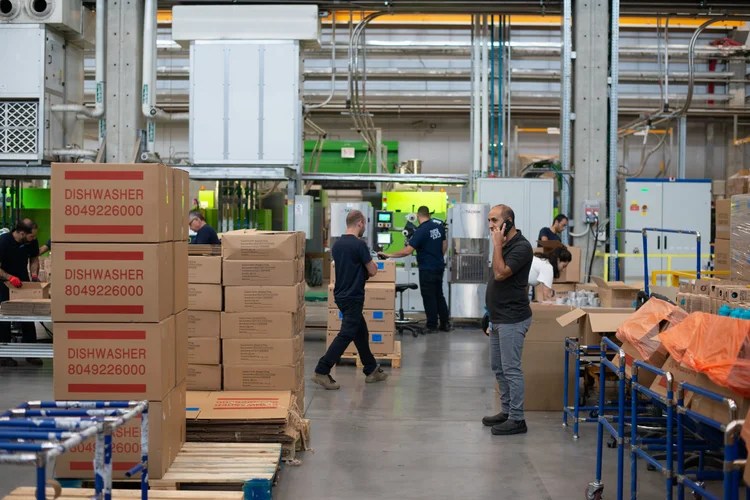
It’s safe to say that nobody enjoys cycle counts, as vital as they are, and the EOY ones can be the most deflating. There are just so many other things we’d rather be doing to prepare for a bright New Year.
Although I can’t make cycle counts go away (at least not without some fancy robotics and automation), I do have a suggestion for making this year’s process better. Take it mobile!
Traditional Inventory Cycle Counts in Epicor ERP
So what’s wrong with cycle counts? For many manufacturers, they remain a painfully manual process.
The traditional cycle count burden is so familiar that I barely need to describe it. But let’s relive the horror together so we know what we don’t want:
-
First, the cycle count is created in Epicor ERP.
-
Someone prints the cycle count forms for employees.
-
Usually a different someone rallies the troops and passes out the forms.
-
Employees wander around the warehouse(s) locating products.
-
Once a product is found, the employee gives an eyeball verification of the Product ID against the one listed on their paperwork.
-
They perform a count of the product inventory and log their result, hopefully in their most legible handwriting.
-
Workers rinse and repeat for the entire cycle count.
-
The paperwork typically piles up until someone (maybe that cycle count creator from Step 1) has the chance to enter it all into the Epicor ERP system for posterity.
Wow, that’s a lot of steps! And a lot of room for error, too. What if an employee lists a count next to the wrong product ID? What if a cycle count result is mis-keyed at the end? What if the data entry process takes forever and the information isn’t as useful as it would be in near real-time?
Yeah, there are problems here—and that means efficiency opportunities!
How Bezlio Inventory Counts Work (For You, Not Against You)
Let’s now compare the traditional cycle count with the process as performed in Bezlio’s mobile ERP app for Epicor.
-
The cycle count itself is still created within the Epicor ERP, but that’s about the only thing that’s the same.
-
Bezlio users open the cycle count bezl from a phone or tablet, click “new count” or a “recount” and then enter the count ID corresponding to the one set up in Epicor. Or better yet, if you barcode, employees can just scan the code to begin!
-
Once they’re ready to do some counting, employees will scan the product ID from the barcode displayed on the rack system, shelving or other location.
-
Then it’s a simple matter of counting the items and entering the result in the app.
-
When all lines in the count have been scanned, hitting “submit” pushes the information to the Epicor system automatically, no keying into the ERP required!
Not only does that process involve fewer steps, but most of them deliver significant efficiency improvements, like barcode scanning. Each step takes less time than it does when working with paper and the results are more accurate.
SOME EXTRA FEATURES

At Bezlio, we try to think about every eventuality in a process and build our apps for manufacturing accordingly. With the cycle count bezl, for example, we recognized the occasional need to quantify a product not listed on the initial cycle count. We, therefore, included the ability to submit a blank tag and enter the product and quantity. This allows employees to add an item to the count itself without having to go back and consult with whoever created the count in Epicor in the first place.
And what about the inevitable counting error? We wanted to make corrections simple. If a specific count ID needs to be corrected, the user can select “recount” when logging into the app and then update any information. The recount function can also be used to reconcile before finalizing in Epicor ERP.
Labor Efficiency
The precise value of the efficiency gains you’ll see when switching from manual cycle counts to the Bezlio-assisted version will vary by organization, the complexity of the count, the use of barcoding and other factors. But as you can tell, the reduction in labor is typically quite substantial. A burdensome process that will often stretch over days (or in many cases, very long nights) can be accelerated and employees can get back to the work that generates sales and profits.

There’s no doubt that efficiency will be the watchword for 2021 across the manufacturing industry. The calendar will change over, but manufacturers will still be adapting on the fly to a shifting economic landscape as the pandemic worsens with winter and then, hopefully, eases with vaccine distribution.
Small investments in ERP mobile apps can make a big difference in agility and profitability, and you can still roll out solutions by January 1. How is that possible? Because it takes only about two hours to implement a bezl (that link outlines every step).
Interested in making inventory cycle counts your first foray into Epicor ERP mobile apps? Contact us for more information about this bezl today!
-
-
The Easiest Way For Manufacturers To Boost Efficiency At Least 50%

Epicor mobile apps slash time-per-transaction …and then deliver more efficiencies across the shop floor
In our previous post, we reported the results of a head-to-head test performing a purchase order receipt function in the Epicor ERP interface and in Bezlio’s mobile ERP app for Epicor. We found that using a mobile app for manufacturing took far less time per transaction, delivering a savings that more than pays for the Bezlio subscription from the start.
But is the receiving dock the only place where Bezlio can increase efficiency and drive the savings that manufacturers desperately need right now? Of course not!
If you visit our Epicor page, you’ll see that we’ve built a variety of Epicor mobile apps—we call them bezls—for everything from labor entry to finished goods receipt. What happens when a manufacturer implements a full complement of bezls to tame various processes? Let’s find out.
Test Results: 54% Greater Efficiency with ERP Mobile Apps
Once again, we compared the time it took to enter information directly into Epicor with the time required to do so in Bezlio. The same user performed both transactions from login to completion and saw some impressive results:
-
As previously reported, purchase order receipts took 111.4 seconds in Epicor but only 26.8 seconds in Bezlio, a savings of 76%.
-
Production labor entry required 78.91 seconds in Epicor and 52.89 in Bezlio, for a 33% efficiency boost.
-
The numbers for timesheet transactions were 119.4 seconds and 46.72 seconds, a 61% difference.
-
Location transfers took 51.95 seconds and 30.12 seconds, a 42% swing to the good with Bezlio.
-
Issuing materials required 51.88 seconds in Epicor but just 25.71 in Bezlio, a time-savings of 50%.
-
Finished goods receipts went from 53.72 seconds to 19.99 seconds, a 63% efficiency increase.
The efficiency improvements vary based on the type of transaction, but performing functions in Bezlio is 54% faster, on average. That’s a meaningful time-savings that goes directly to the bottom line!
Let’s Talk About Labor
Anyone scanning the list above might ask whether it’s worth switching production labor tracking to an Epicor mobile app. After all, these transactions show the smallest efficiency gains (although 33% is nothing to sneeze at).

To focus only on the transaction time-savings—as important as that is—does miss the larger picture, however. And production labor tracking is a perfect example.
Manufacturers know that tracking how much employee time goes into their products is essential in driving process improvements and pricing goods appropriately. Unfortunately, time studies quickly fall out of date and small inaccuracies can have large impacts on profitability.
Real-time data is far more reliable, but production labor information is among the most challenging to capture in Epicor.
That’s because the full Epicor ERP suite runs on a PC and most manufacturers can only position a few of these kiosks around the shop floor. To track production labor means asking employees to stop between each change of task, walk over to the kiosk, log in, and note the job they finished and the new one they’re starting. This is inefficient!
Manufacturers understandably worry that they’d have to find incredibly large time sinks across their production processes (or raise their prices too much) to make up for all the minutes added by trying to track labor on a kiosk. Otherwise, they’d be going backward.

But this concern essentially disappears with Bezlio. Because labor tracking occurs on a smartphone or tablet—or maybe even a wearable device—there’s no time lost by employees strolling across the shop floor (and no pausing to chat along the way). Tracking the time devoted to particular jobs becomes a quick, seamless operation conducted at each team member’s work area.
These time-savings aren’t included in the transaction efficiencies documented above. The increased user-friendliness of the Bezlio interface certainly matters in streamlining login and data entry, but Bezlio apps in employees’ pockets maximize efficiency in so many other ways!
Boost Efficiency 50%…and Then Keep Going
Exactly how much efficiency improvement will you see when implementing Bezlio for various ERP transactions? The answer will depend on your operations.
-
How many kiosks do you have and how long does it take each employee to get to one?
-
How many opportunities to digitize processes are you skipping because kiosk-based data entry isn’t viable?
-
How much more efficiency could be achieved if employees could instantly find out where materials are in the warehouse or search for the customer information they need from their phone?
I can’t set up a head-to-head test to measure your potential efficiencies from where I sit in Ohio, but I have witnessed other customers’ transformations. Companies like VME tend to start with a single bezl but the efficiency improvements become addicting and they soon find they can’t stop at just one.
With the challenges facing manufacturing right now, it is vital to take advantage of any untapped efficiencies as soon as possible—especially ones this easy to realize. About two hours start to finish is all it takes to deploy your first bezl and start reaping the savings. .
Why not begin now? Simply schedule a demo today!
-